When your brakes start making noise or your vehicle vibrates while stopping, you may wonder whether you need new brake pads, rotors, or both. The answer depends on the condition of your braking system, not mileage alone.
At Accurate Automotive Services, our brake service and repair in Thousand Oaks starts with a brake inspection. We explain what needs attention and help you understand the recommended work before moving forward.
Call: (805) 496-3039
How a Brake Inspection Determines What Needs Replacement
Brake pads create friction against the rotors to slow your vehicle. Pads wear as you drive, while rotors can develop wear, surface damage, or thickness variations.
A professional brake inspection examines more than the pads. Our technicians assess rotor condition, caliper operation, brake lines, and fluid condition to identify the cause of your concern.
Pad wear and rotor measurements help determine whether replacement or resurfacing is appropriate. The recommendation should reflect your vehicle’s specifications and the condition of the entire system.
Brake Pads, Rotors, or Both?
| Inspection findings | Service that may be appropriate |
|---|---|
| Worn pads; rotors meet manufacturer specifications and have suitable surfaces; the system functions correctly. | Brake pad replacement |
| Rotor surface needs attention; the manufacturer permits resurfacing; the rotor will meet specifications afterward. | Rotor resurfacing Replace pads if their condition requires it. |
| Rotors are too thin, cracked, severely damaged, or unsuitable for resurfacing. | Rotor replacement Replace pads if their condition requires it. |
| Both pads and rotors require replacement based on inspection and measurements. | Brake pad and rotor replacement |
| Uneven pad wear or problems with calipers, slide pins, or hydraulic components. | Additional brake repairs Address the cause along with any necessary pad or rotor work. |
Noise or vibration alone does not identify which parts need replacement.
Recommendations depend on inspection findings and your vehicle’s specifications.
When Brake Pads Alone May Be Appropriate
Worn pads do not automatically mean every brake component needs replacement. Installing new pads may be appropriate when the rotors remain within manufacturer specifications, their surfaces are suitable, and the rest of the system functions correctly.
However, new pads will not resolve every braking problem. Damaged rotors, sticking calipers, or hydraulic issues may require additional repairs. That is why an inspection matters before deciding which parts to replace.
Our brake replacement services focus on the condition of your vehicle and the work it actually needs.
When Rotors Need Resurfacing or Replacement
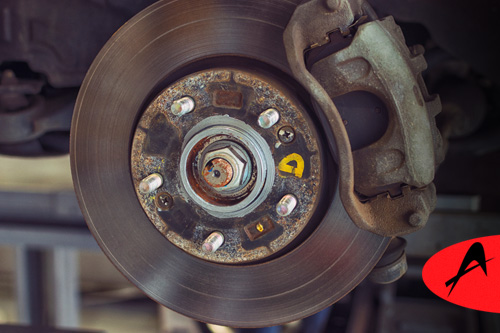 Rotor resurfacing removes a controlled amount of material to restore a suitable braking surface. It is appropriate only when the manufacturer permits it and the rotor will remain within the required specifications afterward.
Replacement may be necessary when a rotor is too thin, cracked, severely damaged, or unsuitable for resurfacing. Depending on the vehicle and condition, replacement may also be the more practical option.
If you feel vibration when braking, an inspection can determine whether rotor condition or another issue is responsible. A symptom alone does not establish which part needs replacement.
Why Uneven Brake Wear Can Require Additional Repairs
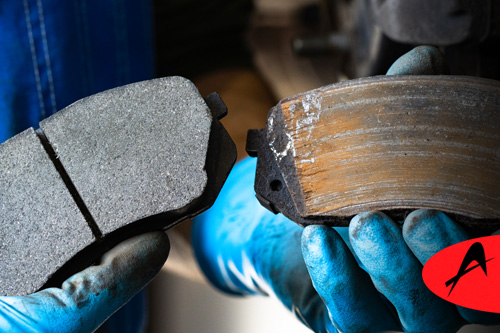 Brake pads that wear unevenly can point to a problem beyond normal use. Caliper operation, slide pins, or related components may need attention.
Replacing pads without addressing the underlying cause can allow the problem to return. Our technicians evaluate the system and explain any additional work needed to support reliable braking.
Squealing, grinding, pulling, or changes in pedal feel also deserve attention. Read more about signs that you need a brake inspection and describe those symptoms when scheduling your appointment.
What Affects the Cost of Brake Pads and Rotors?
Brake repair costs vary with the vehicle, parts required, and condition of the system. An estimate may include:
- Front or rear brake pads, or both.
- Rotor resurfacing or replacement.
- Necessary hardware or caliper repairs.
- Brake fluid service when indicated.
- Labor associated with the vehicle’s brake design.
Accurate Automotive offers OEM and high-quality aftermarket options as appropriate for your vehicle. Ask what parts are recommended, why they were selected, and what warranty applies.
Our Thousand Oaks brake repair shop explains recommended repairs so you can make an informed decision.
Brake Service for Honda, Acura, Toyota, Lexus, and More
 Accurate Automotive specializes in Honda, Acura, Toyota, and Lexus vehicles, including Japanese trucks and SUVs. We also service GM, Chrysler, and Ford products.
Our ASE-certified technicians provide brake service suited to your vehicle’s requirements. Whether you drive a commuter sedan, family SUV, or pickup, the goal is the same: identify the problem and recommend appropriate service.
Customer satisfaction is our number-one priority. Our website currently displays a 5.0-star customer rating based on 332 reviews, reflecting the experiences customers have shared about our service.
Questions to Ask Before Approving a Brake Estimate
 A clear explanation should help you understand both the repair and its cost. Useful questions include:
- What did the inspection show about my pads and rotors?
- Do the rotors meet the manufacturer’s specifications?
- Why are you recommending resurfacing or replacement?
- Is another component causing uneven wear?
- Which parts and warranty are included?
You should leave the conversation understanding what is being recommended and why.
Schedule a Brake Inspection in Thousand Oaks
If you are unsure whether your vehicle needs pads, rotors, or other brake repairs, start with an inspection at Accurate Automotive Services.
Visit us at 105 Jensen Ct., Thousand Oaks, CA 91360, or call (805) 496-3039 to discuss your concerns and arrange service.
We are open Monday through Friday, 8 a.m. to 5 p.m. Let our team help you understand your brakes and plan the appropriate repairs.